Alcohol in Football Stands: What Andy Burnham’s Comments Mean for Stadium Safety
Andy Burnham has reopened one of football’s longest-running matchday debates: should supporters be allowed to drink alcohol while watching the game from their seats? He has argued that football fans are treated differently from spectators at sports such as rugby and cricket, and suggested that change could be tested on a trial basis.
For clubs, stadium operators and supporters, however, the most important point is simple: the law has not changed. At designated football matches in England and Wales, drinking alcohol in view of the playing area remains prohibited. A political proposal, consultation or newspaper headline does not alter the duties of a venue or the restrictions that apply on matchday.
The real question is therefore not only whether the rule should change. It is whether any reform could be introduced without increasing risk to supporters, staff, stewards, security officers, players and the wider community.
What did Andy Burnham say?
In September 2026, Burnham said it was unfair for football supporters to be singled out when spectators at some other sports can drink while watching the action. He described the legislation as dating from a very different era of football and said there was a case for removing that difference, potentially through a trial.
His comments were welcomed by the Football Supporters’ Association and the English Football League, both of which support a review. The UK Football Policing Unit urged caution, warning that alcohol can play a significant role in football-related disorder and that any change requires evidence, consultation and careful examination of the safety consequences.
That contrast matters. This is not simply a debate between people who like or dislike a drink. It is a question of legislation, licensing, crowd behaviour, stadium design, policing, stewarding and operational control.
What does the law currently say about alcohol at football?
The Sporting Events (Control of Alcohol etc.) Act 1985 restricts alcohol at designated football events in England and Wales. According to the Sports Grounds Safety Authority, the Act prevents the consumption of alcohol within view of the playing area during the restricted period. That period runs from 15 minutes before the start of the event until 15 minutes after it ends.
The legislation also covers drunken entry in relevant circumstances and alcohol on certain vehicles travelling to designated matches. Its application depends on the event and designation rules, so venues must work from the legislation, their safety certificate, premises licence, ground regulations and advice from the appropriate authorities—not assumptions drawn from another ground or competition.
The practical takeaway: unless and until Parliament changes the law and the relevant rules are implemented, supporters must not drink alcohol in sight of the pitch at matches to which the prohibition applies.
Why do some supporters want the ban reviewed?
Supporters of reform argue that football has changed significantly since 1985. Modern grounds use CCTV, electronic ticketing, improved segregation, trained stewards, control rooms and more developed safety-management systems. They also question why a person may be able to drink in the same seat during a concert or another sporting event but not during a designated football match.
There is also an operational argument. The present rule can concentrate alcohol consumption in busy concourses immediately before kick-off and at half-time. Some supporters may drink more quickly because they must finish before returning to their seat. A carefully controlled trial could test whether slower consumption in seated areas reduces concourse pressure or rushed drinking.
Those are reasonable questions, but they are hypotheses—not guarantees. A pilot would need clear measures and independent evaluation before anyone could say whether the overall risk had fallen.
Why are police and safety professionals cautious?
Football brings together large crowds, strong loyalties and moments of intense emotion. Most supporters behave responsibly, but safety planning must account for the minority who do not. Alcohol can reduce judgement, make de-escalation harder and increase the likelihood that provocation becomes aggression.
Allowing drinks in seated areas may also create practical risks:
cups or containers being thrown towards supporters, officials or the pitch;
more spillages, slips and obstructed gangways;
repeated movement to and from seats during play;
conflict over intoxication, refused sales or antisocial behaviour;
greater pressure on stewards who must monitor several risks at once;
additional safeguarding concerns for children and vulnerable spectators; and
different challenges at high-risk fixtures, evening kick-offs or poorly designed older stands.
A responsible review must consider the whole matchday—from transport hubs and pubs to turnstiles, stands and dispersal—not only what happens inside a spectator’s cup.
A blanket approach would not reflect matchday risk
If a change is considered, it should not be assumed that every match, stand or kick-off presents the same risk. Crowd profile, rivalry, attendance, stadium layout, transport, intelligence, competition rules and previous incidents all affect the operating plan.
A lower-risk fixture in a modern stadium may support different controls from a high-profile derby or a match with known tension. The safest model may therefore be conditional permission rather than an automatic entitlement, with each participating venue required to demonstrate that it can manage the risk.
Conditions could include designated seating blocks, limits on drink strength or quantity, restricted sale periods, approved containers, no-alcohol family areas and the power to suspend sales immediately. Any approach must also remain compatible with licensing conditions and instructions from the safety authority and police.
What should a controlled trial include?
A credible trial needs more than permission to sell beer. It should have a written safety case, defined controls and agreed stop criteria. Before the first match, organisers should address:
fixture-by-fixture risk assessment and documented approval routes;
exact stands, seats, products, container types and sale times included;
staffing levels based on the task, layout and crowd—not a generic ratio;
clear responsibilities for safety officers, stewards, SIA-licensed security, bar staff and police;
training for refusal of service, vulnerability, de-escalation and evidence preservation;
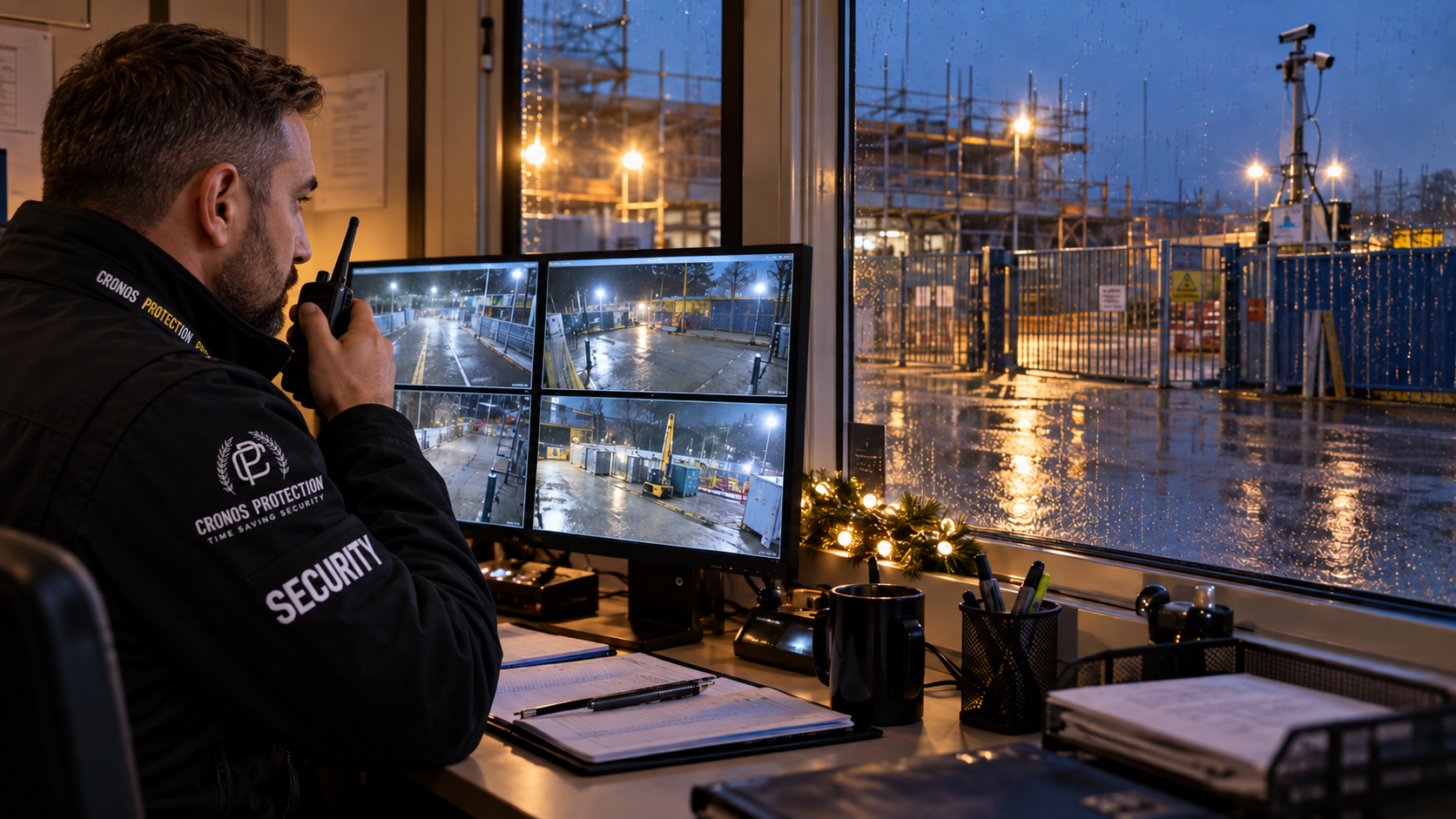
CCTV coverage, radio channels and rapid communication with the control room;
procedures for ejection, arrest, medical response and safeguarding;
instant suspension triggers if behaviour or crowd movement deteriorates; and
measurement of incidents, ejections, medical cases, concourse density, complaints and staff feedback.
Data should be compared with similar fixtures under the existing arrangements. A trial that records only sales or supporter satisfaction would not provide a sound basis for safety decisions.
Stewards, safety officers and SIA security have different roles
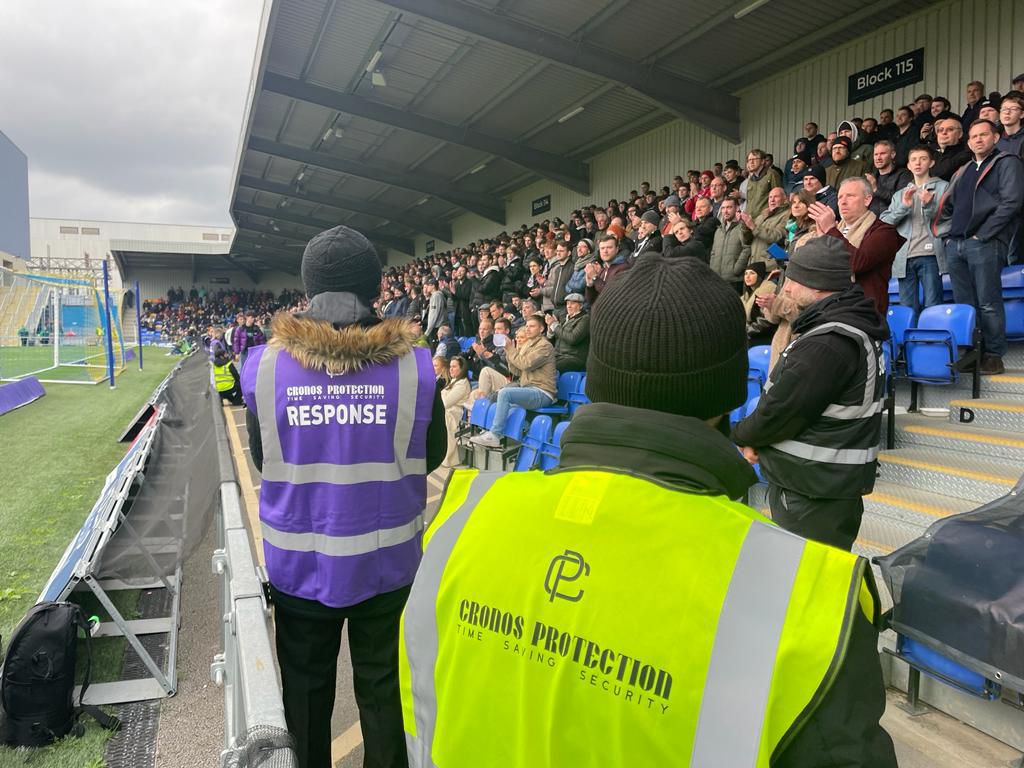
Any policy change would increase the importance of a clear command structure. The stadium safety officer leads the safety-management operation and coordinates the event plan. Stewards support spectator safety, movement, information, ingress, egress and emergency procedures. SIA-licensed personnel are required where staff perform licensable security activities, such as guarding against disorder or certain access-control duties.
The roles can work closely together, but they are not interchangeable. Every person must understand their authority, escalation route and reporting duties. Briefings should cover the alcohol policy in plain language so that the same rule is applied at the turnstile, bar, vomitory and seating area.
Frontline teams should also be empowered to act early. A calm conversation, welfare check or temporary halt to service can prevent a more serious intervention later. That depends on good supervision and direct communication with decision-makers in the control room.
Security should shape the policy—not be added afterwards
The strongest part of Burnham’s suggestion is the idea of testing change rather than assuming an outcome. But any pilot must be designed with clubs, supporters, police, licensing teams, medical providers, transport partners, safety officers, stewards and security professionals around the same table.
Commercial opportunity cannot be allowed to set the risk appetite. Venues need enough trained personnel, suitable infrastructure and the confidence to restrict or stop sales when conditions change. Staff and supporters also need a simple way to report harassment, disorder or vulnerability without leaving a problem to escalate.
If evidence shows that controlled drinking improves crowd flow without increasing harm, that evidence should inform the debate. If it increases disorder or places unreasonable pressure on staff, the controls should be changed or the trial stopped. Good safety management follows evidence, not headlines.
Professional stadium safety and security support
Cronos Protection supports football clubs, venues and event organisers with trained Stadia Safety Officers and event security teams across Surrey, London and the wider UK.
Our approach starts with the venue, event plan and identified risks. We can support access control, spectator management, response, reporting and coordination with venue management—helping create a professional operation that protects people without losing the atmosphere that makes live football special.
Reviewing your matchday safety or security provision? Contact Cronos Protection to discuss your requirements.
Frequently asked questions
Is it illegal to drink alcohol while watching the pitch at a football match?
At designated football matches in England and Wales, the Sporting Events (Control of Alcohol etc.) Act 1985 prohibits drinking alcohol within view of the playing area during the restricted period. The exact application depends on the event and designation rules.
Has Andy Burnham changed the law on alcohol in football stands?
No. His comments support reviewing the ban and suggest that change could be trialled. The existing legal restrictions remain in force unless Parliament changes them and the new arrangements are implemented.
Can supporters drink alcohol in the stadium concourse?
Alcohol may be sold and consumed in permitted areas that are not within view of the playing area, subject to the law, premises licence, competition rules and stadium policy. Supporters should follow the ground’s instructions.
Would a trial mean alcohol is allowed at every match?
Not necessarily. A controlled pilot could be limited by club, fixture, stand, kick-off time or risk category, with conditions and the power to stop sales. The details would depend on any legislation and trial framework.
What security planning would be needed if the rule changed?
Venues would need updated risk assessments, clear alcohol and refusal policies, suitable staffing, trained stewards and licensed security where required, effective CCTV and radio coverage, welfare procedures, incident reporting and agreed stop criteria.